Two-hour Asynchronous Training - Presented by Dr. Alex Kohl (view bio here)
Approved by the Licensed Professional Counselors Association of Georgia (LPCA). Eligible for Georgia LPC, LCSW, and LMFT license renewal. LPCA A-1026-1271
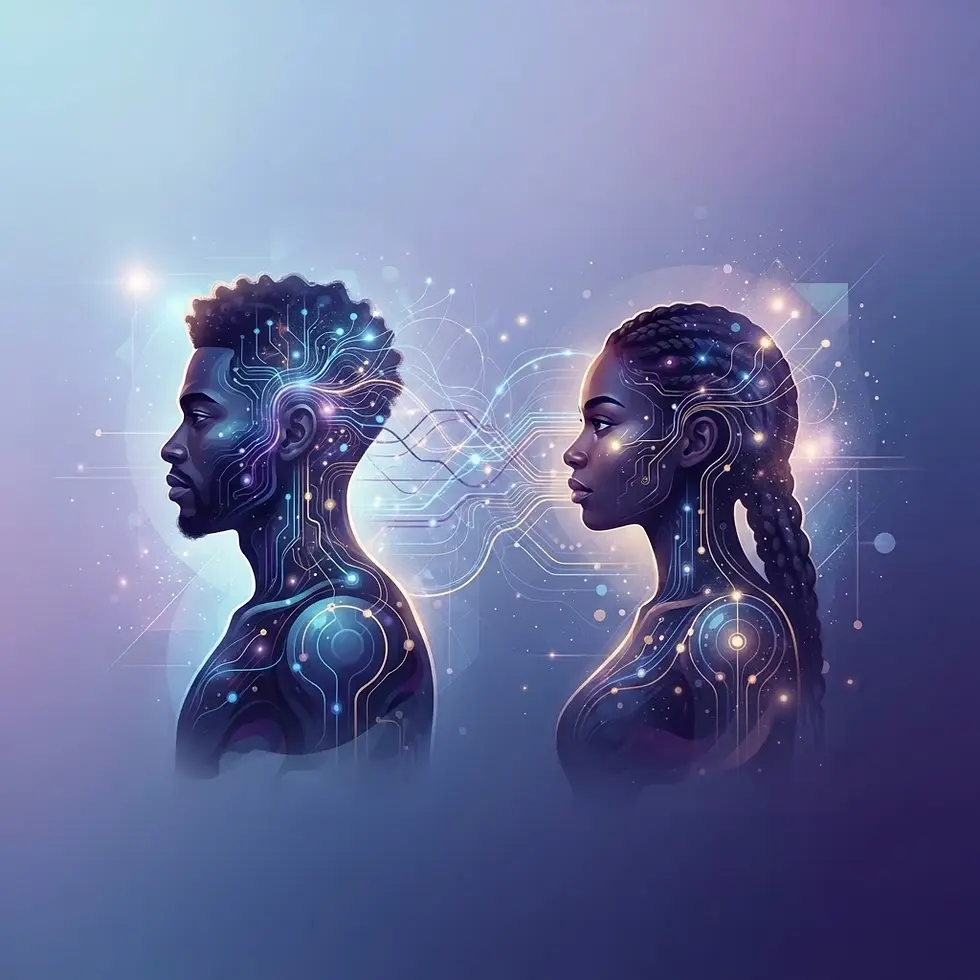
The Attached Brain in an AI World: Connection, Companionship, and Emotional Dependence
Human brains are shaped by relationships—but what happens when a source of connection is artificial intelligence? This two-hour asynchronous training explores attachment, social connection, and emotional dependence through a neuroscience lens, examining the growing role of AI in how people seek companionship, reassurance, and support.
The presentation begins with accessible foundational neuropsychology, introducing neuronal communication, neurotransmission, neuroplasticity, and the brain networks involved in emotion, memory, reward, and social cognition. Participants will explore how relational experiences shape expectations of safety and connection, how attachment patterns develop, and how the brain responds to perceived acceptance, rejection, and availability. These concepts establish a framework for understanding why responsive, personalized interactions can feel emotionally meaningful.
Building on this foundation, the training examines AI companions, conversational chatbots, and other emotionally engaging technologies. Topics include anthropomorphism, perceived intimacy, reassurance seeking, and the potential movement from helpful engagement toward emotional dependence. Participants will consider how established principles of attachment, reinforcement, and emotion regulation may help explain these experiences, while distinguishing established neuroscience from emerging research and hypotheses about human–AI relationships.
Clinical examples will illustrate how AI use may intersect with loneliness, grief, anxiety, relational insecurity, and unmet attachment needs. The presentation will address potential benefits, limitations, and ethical considerations, including privacy, boundaries, and the role of human relationships. Participants will gain a practical framework for exploring clients’ AI use without judgment, recognizing patterns that warrant further assessment, and supporting emotional regulation, autonomy, and meaningful interpersonal connection.
Understand the attached brain—and what connection means in an AI world.
Digital Empathy
Master techniques for establishing authentic therapeutic presence when AI companions are integrated into a client’s emotional landscape.
- • Identify neural surrogacy markers in behavioral patterns.
• Develop repair strategies for AI-mediated attachment ruptures.
Clinical Applications & Skills
Parasocial Dynamics
Learn to navigate the complex transference that occurs when clients form primary emotional bonds with non-biological systems.
- Assess the intensity of the human-machine bond.
- Differentiate between healthy supplementation and debilitating dependence.
Relational Rewiring
Acquire clinical skills to redirect dopamine-driven digital craving toward biological social engagement and interpersonal resilience.
- Implement neural-pacing protocols for social reintegration.
- Formulate long-term recovery plans for emotional dependence.